I will be upfront: I was skeptical. After years of trying sleep apps, magnesium, chamomile and every "adaptogen" latte my local café sells, I assumed one more hemp product would land in the same drawer as the rest. Then a friend who works in a compounding pharmacy asked me a simple question: "Have you ever tried CBD with CBC?" I had never even heard the term.
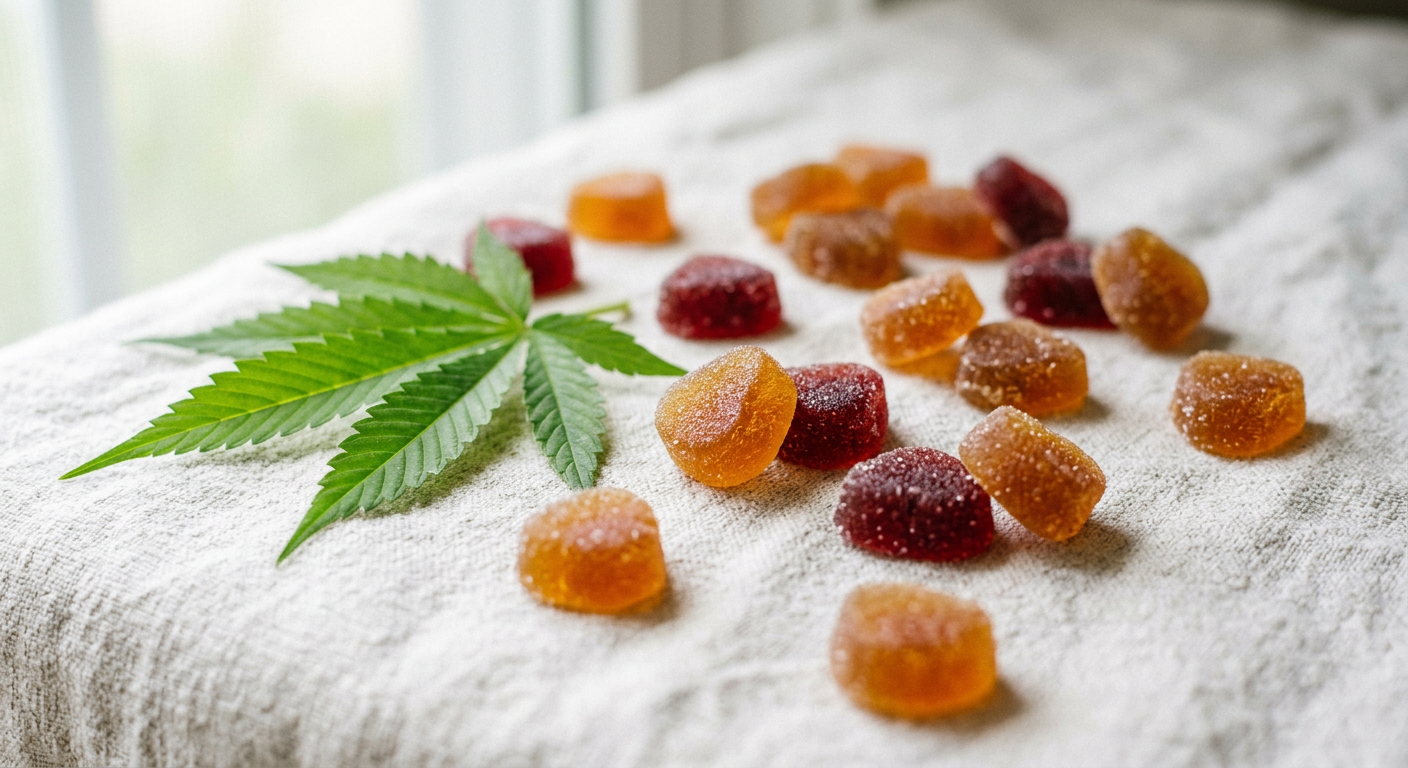
That conversation sent me down a rabbit hole of research papers, lab reports and long chats with people who actually use these products. This guide is the result. It explains what Cannabichromene CBD Gummies for Stress Relief™ are, why they have quietly become one of the most searched hemp formulas of 2026, and how to decide whether they deserve a spot in your own evening routine.
What is cannabichromene (CBC)?
Cannabichromene, almost always shortened to CBC, is one of more than a hundred cannabinoids produced by the hemp plant. It was first identified in the 1960s, around the same time as CBD and THC, yet it never enjoyed the same spotlight. Part of the reason is volume: most hemp strains produce only small amounts of CBC, so isolating it at scale used to be expensive.
Like CBD, CBC is non-intoxicating. It does not bind strongly to the CB1 receptors in the brain that are responsible for the "high" associated with THC. Instead, early research suggests it interacts with other receptors involved in how we perceive discomfort and mood, including TRPV1 and TRPA1, and it may help the body hold onto its own naturally produced endocannabinoids for longer.
Why people reach for it during stressful seasons
Stress is rarely dramatic. For most of us it looks like a tight jaw on the commute, a mind that replays emails at 11 p.m., or snapping at someone we love over something small. Chronic, low-grade tension like this wears down sleep quality, focus and patience.
People are looking for something gentler than prescription options for these everyday moments, and something they can take without feeling foggy the next morning. That is the space a THC-free CBC and CBD formula is designed to fill: a measured, predictable serving that fits into a wind-down routine rather than replacing healthy habits.

Quick takeaway: CBC is not a sedative. Users more commonly describe the feeling as "the volume being turned down" on racing thoughts, which makes it easier to relax on your own terms.
How CBC and CBD work together
Your body runs an internal balancing network called the endocannabinoid system (ECS). It helps regulate mood, sleep, appetite and the stress response by sending chemical messages between cells. Plant cannabinoids can nudge this system in different ways.
- CBD is thought to work indirectly, supporting serotonin signaling and slowing the breakdown of anandamide, sometimes nicknamed the "bliss molecule".
- CBC appears to act on separate receptor pathways and may also help anandamide stay active for longer.
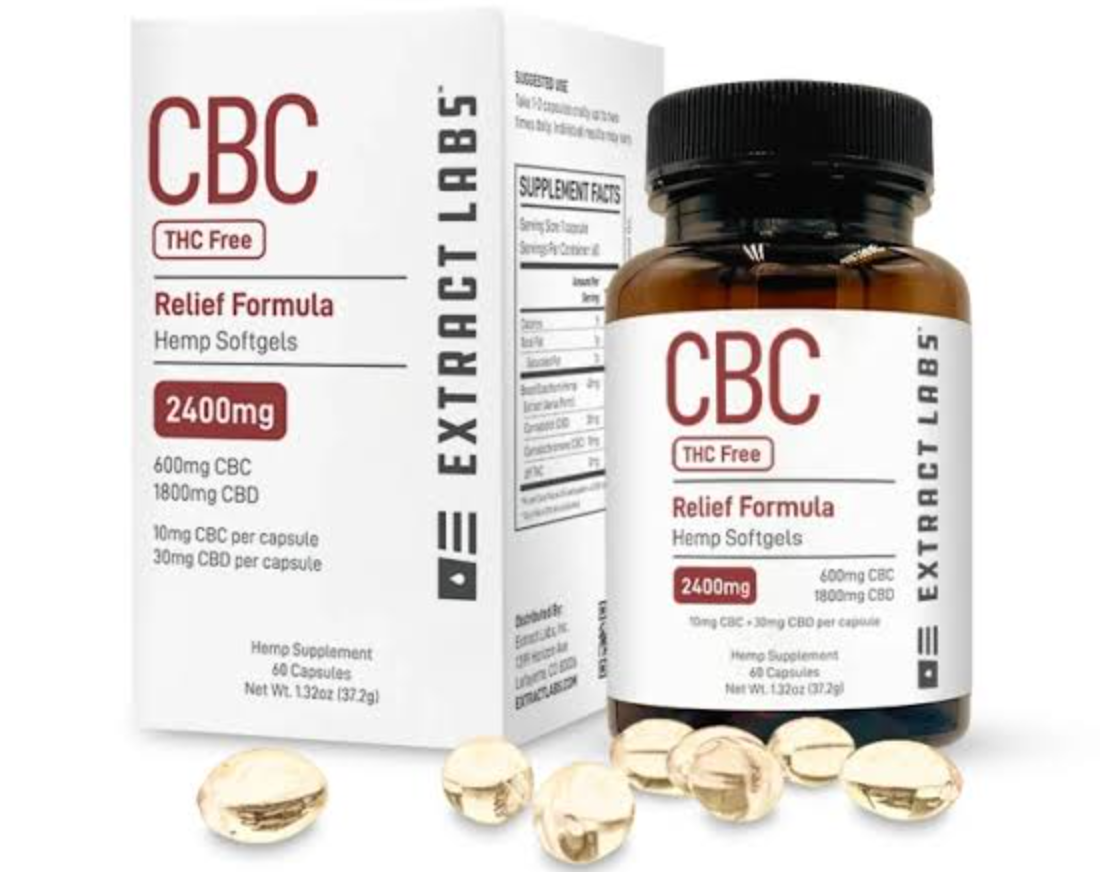
Because they take different routes toward a similar destination, many formulators believe CBC and CBD are more effective together than either is alone. This idea is often called the entourage effect. The science is still developing, but it explains why this formula uses a deliberate 1:3 ratio of CBC to CBD rather than CBD alone.